storm damage roof repair

Storm Damage Roof Repair in Daytona Area

Storm damage roof repair guide for Daytona Area homeowners. Compare repair scope, insurance steps, and permit basics, then request help for your city.
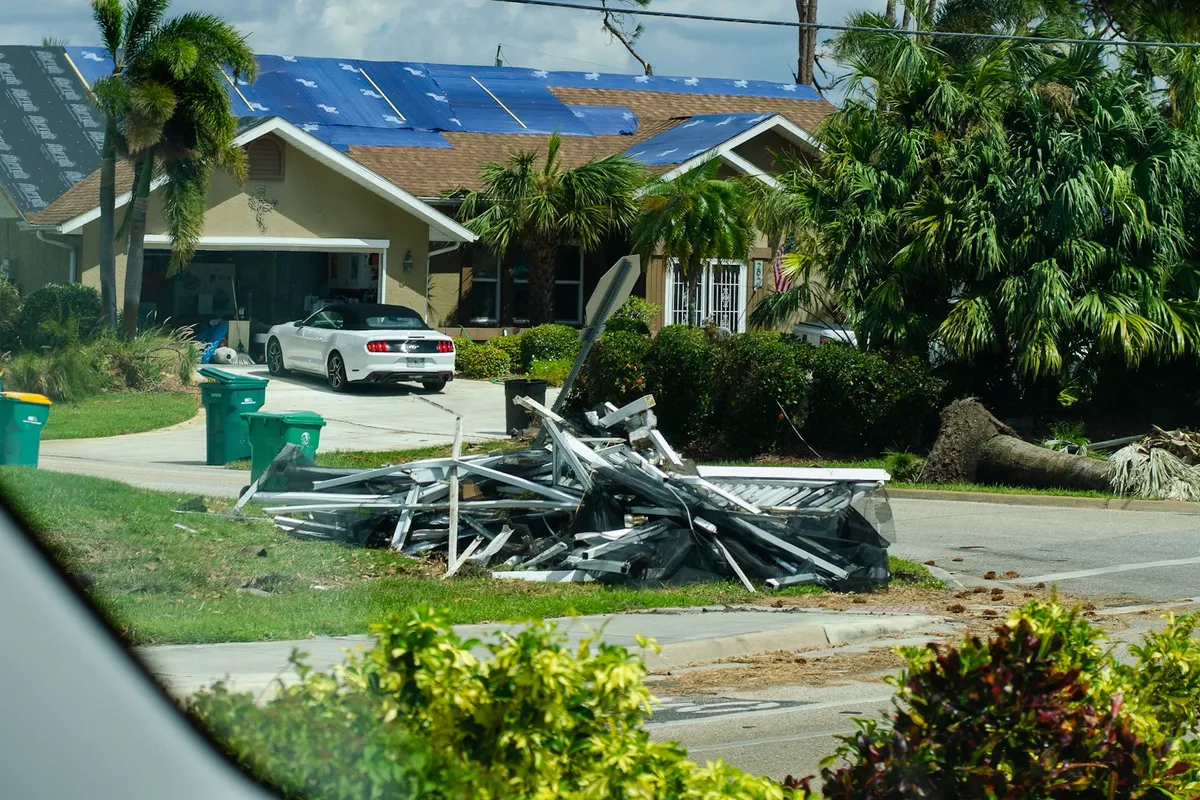
Which path fits your situation?

Storm damage requests are easier to route when you can identify the visible problem. Use these categories to choose the next step before requesting help.

  • Localized damage: missing shingles, small leak, flashing, or soffit: Start by identifying the damaged area, storm date, visible symptoms, affected area size, and roof age. If an insurance claim is involved, contact your insurer before signing repair paperwork.
  • Widespread damage or active interior water intrusion: A full inspection is needed before repair scope can be set. Document all visible damage and protect interior areas before a contractor arrives. Do not commit to full replacement without a written assessment that addresses.
  • Insurance claim in progress or about to be filed: Contact your insurer before authorizing work beyond protective tarping. Florida law governs assignment of benefits contracts. Read any repair agreement carefully before signing rights over to a third party.

Common situations and where they lead

Use this to match your situation to the right next step or city page.

A few shingles or a section of flashing blown off after a storm Targeted repair; minor patching may not require a permit, but confirm with your city or Volusia County before work starts - Verify the deck is dry before closing the repair; slow leaks can hide behind intact shingles
Active ceiling drip or interior stain following rain Inspection first to locate the source; tarp or cover exposed deck as a temporary measure - A contractor should assess whether secondary damage to the deck or framing affects scope before a repair plan is set
25 percent or more of a roof section damaged or being replaced Florida Building Code triggers broader compliance requirements at this threshold; permit and code review apply - Clarify scope boundaries and prior-code status with your contractor before materials are ordered
Beachside or near-coast property with exposed metal flashing or fasteners Salt spray and coastal humidity accelerate corrosion on exposed metal; include flashing, fastener, and coating condition in the inspection scope - Coastal proximity is a durability factor worth raising with your contractor, not a guarantee about any specific product
Insurance claim filed, adjuster not yet out Document all visible damage with notes and written descriptions, protect the interior where safe, and contact your insurer directly - Protective tarping does not require signing over claim rights; review any contractor paperwork before you sign
Unincorporated Volusia County property or unclear which permit authority applies Volusia County Permit Center handles unincorporated county properties; municipal city properties use their own building departments - Confirm jurisdiction with your contractor before pulling a permit

Local factors that affect storm repair decisions in the Daytona area

These conditions are specific to Volusia County and the coastal corridor and can affect scope, timing, permit requirements, or insurance steps.

Hurricane season runs June 1 through November 30 The Atlantic hurricane season has a defined window each year. Daytona-area homeowners should document roof age, prior repairs, and visible wear before the season starts and after any named storm, even without obvious interior damage.
Florida Building Code wind load requirements apply to roof coverings The 2023 Florida Building Code requires mechanically attached or adhered roof coverings to resist design wind load pressures under Section 1609. Coastal Volusia properties carry higher wind speed and exposure categories than properties farther inland.
Repair scope affects Florida Building Code treatment Florida Building Code reroof provisions set conditions where only the replaced or repaired portions must comply with current code, but when 25 percent or more of a roof section is affected, broader requirements may apply.
Florida assignment of benefits guidance for storm claims Florida's Chief Financial Officer consumer guidance recommends contacting your insurer directly after storm damage, documenting temporary repairs and all visible damage, and reviewing any repair contract carefully before signing. Assignment of benefits transfers your claim.
Salt air and coastal humidity near the beachside corridor Coastal proximity in the Daytona area brings salt spray exposure that can accelerate corrosion on exposed metal flashing, fasteners, drip edge, and roof penetrations. This is a condition to raise during an inspection for beachside.

Storm damage roof repair questions

How do I know if my roof needs repair or full replacement after a storm?

Damage scope, deck condition, and roof age are the main factors. A contractor should inspect the full deck surface, not just the exterior shingles, before recommending repair over replacement. Missing shingles alone do not indicate.

Does storm roof repair in Florida require a permit?

It depends on scope and your municipality. Minor patching may not require a permit, but replacing 25 percent or more of a roof section, or work that triggers current Florida Building Code compliance, does. Confirm.

Should I call my insurance company or a roofer first?

Contact your insurer first if you plan to file a claim. Document all visible damage before anyone works on the roof. Protective tarping is generally fine before the adjuster visits, but authorizing full repair work.

What is assignment of benefits and why does it matter for storm repairs?

Assignment of benefits is a contract that transfers your insurance claim rights to a third party. Florida consumer guidance recommends reviewing these agreements carefully before signing. You can ask your insurer what documentation they need before authorizing repair paperwork.

What should I have ready when I request a storm damage roof repair estimate?

Have the storm date, a description of visible symptoms, the approximate age of your roof, whether a claim is in progress, and your property address and city ready. If your property is on the beachside.

Request storm damage roof repair help

Tell us your city, the visible symptoms, and the storm date. A qualified local roofer will follow up to discuss next steps.