Port Orange storm damage roof repair
Storm Damage Roof Repair in Port Orange, FL
Storm damage to your Port Orange roof can push into permit-required reroof territory depending on scope and prior code history. Understand what changes your next step.
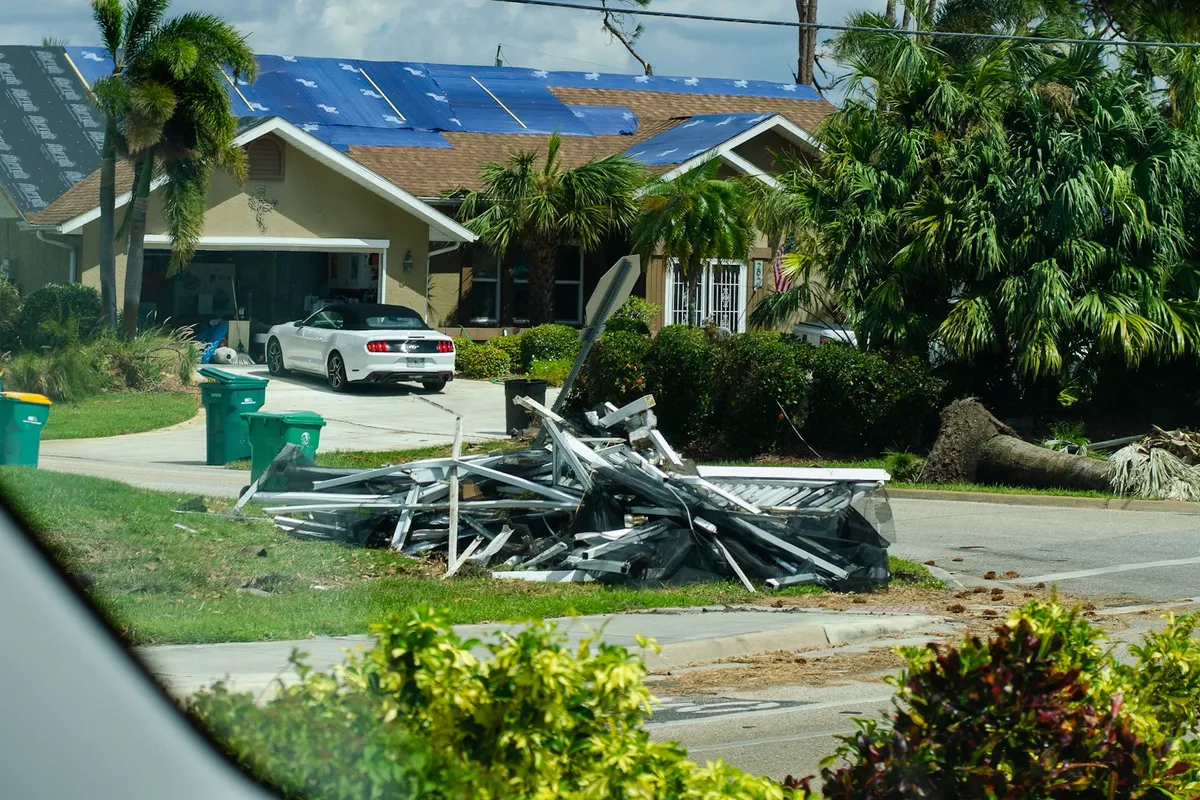
Quick Answer: Repair, Reroof, or Inspect First?
Storm damage in Port Orange can land anywhere from a minor shingle fix to a permit-required reroof, depending on how much roof area was affected, prior code history, and whether water got inside. River-adjacent and coastal-exposed properties add drainage and wind-load considerations.
- Small, contained damage: Missing or lifted shingles on a limited section point toward targeted repair.
- Large section loss: When 25% or more of a roof system is affected, Florida Building Code reroof provisions can apply.
- Water inside after the storm: Interior damage or active leaks need inspection before repair scope can be confirmed.
- Permit question: Port Orange city limits and Volusia County have separate permitting authority. Confirm which applies before work starts.
Which Storm Damage Situation Sounds Like Yours?
Check the description that fits best. Each points to a different starting point for your request.
When to Stay Off the Roof
Do not walk on a storm-damaged roof or attempt to remove lodged debris from above. Wet or damaged decking can fail without warning, and structural damage is not always visible from the edge. If there is active water entry, move belongings below the affected area and note the time the leak started. Do not attempt to patch or re-nail loose roofing materials at height without proper equipment and experience.
What Can Change the Repair or Reroof Path
Several factors push storm damage from straightforward repair into more involved territory.
- 01 Florida Building Code area threshold Florida Building Code Chapter 15 sets an area threshold that, when crossed, shifts classification from repair to reroof and triggers wind-load and fastening compliance requirements for the affected section.
- 02 Prior code status If prior roof work met the 2007 Florida Building Code or later, that history can affect how the current repair or reroof is classified.
- 03 Wind-load and product documentation Florida Building Code Chapter 15 requires roof coverings to resist design wind pressures. Replacement materials need documentation showing they meet requirements for coastal Volusia County.
- 04 Underlayment and flashing condition Storm damage that exposes underlayment or separates flashing changes the repair boundary; those components may need addressing alongside visible surface damage.
- 05 Commercial system permit type Flat and commercial roof systems require a commercial roofing permit, involving membrane specifications, drainage slope requirements, and inspection sequences that differ from residential shingle work.
- 06 Salt-air exposure Coastal proximity accelerates corrosion on metal roof components, which can affect what a post-storm inspection finds beyond visible impact damage.
What Matters Locally in Port Orange
Port Orange includes suburban residential streets, river and creek-adjacent neighborhoods, commercial corridors, and HOA-governed communities. Each setting can affect storm damage risk, permit authority, or what a roofer needs to plan the job.
Repair or Replacement Direction
These situations do not represent a diagnosis. They show which direction the damage and scope point before an inspection confirms the actual plan.
Common Questions
Will homeowners insurance pay for storm roof damage in Port Orange?
Florida homeowners insurance covers sudden storm damage, but terms vary by policy. Contact your insurer directly before signing any Assignment of Benefits agreement, which transfers claim rights to a third party. Document damage and interior water signs with dates.
What is the 15-year roof rule in Florida?
Florida allows insurers to require an inspection or limit new coverage on roofs 15 years or older. An inspection report documents condition for insurance purposes.
Describe the Storm Damage
Use the form to describe what you're seeing: which part of the roof, whether water got inside, and your Port Orange address or neighborhood. A phone option is on this page if you prefer to call. A short description is enough to start routing your request.