Daytona Beach storm damage roof repair
Storm Damage Roof Repair in Daytona Beach, FL
After a storm, Daytona Beach roof damage needs quick documentation before surge flooding or salt air complicates your claim and repair scope.
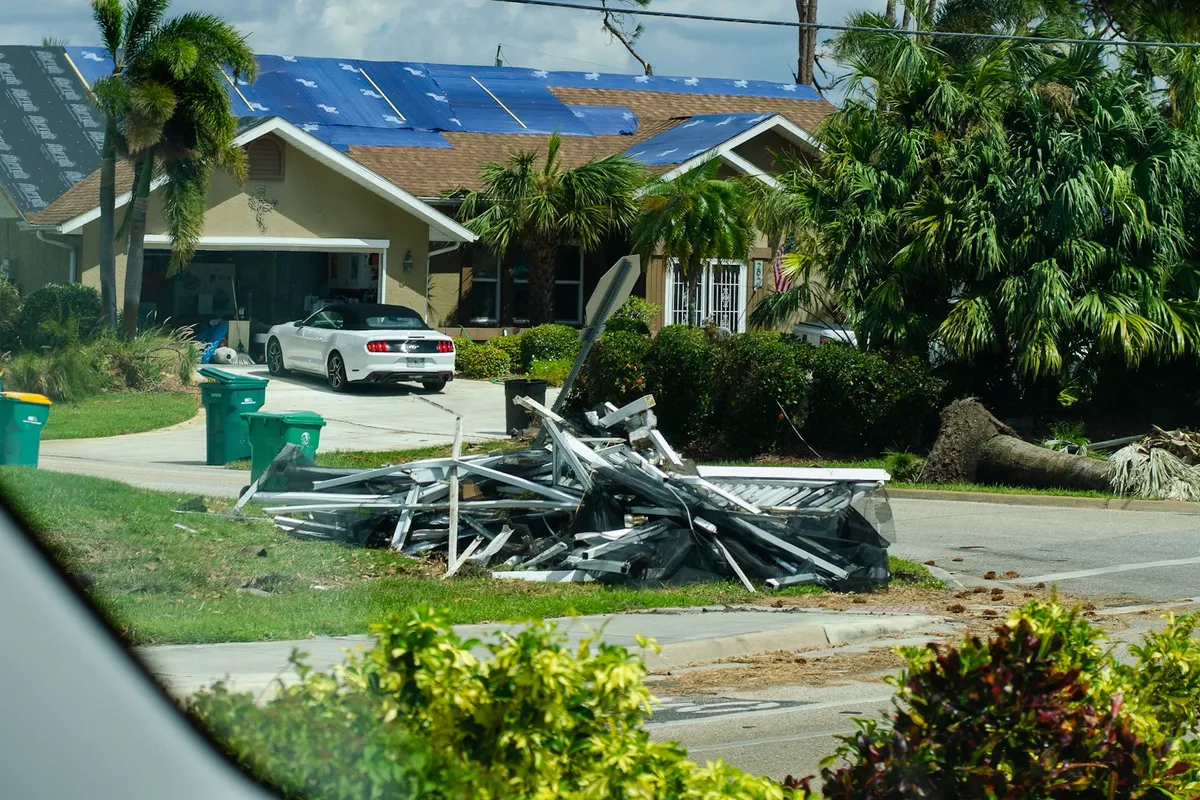
Quick Answer: Storm Damage Roof Repair in Daytona Beach
Storm damage ranges from a few lifted shingles to a failure that triggers full reroof review. Key questions: how much roof is affected, did water reach the inside, and does the scope require a Daytona Beach building permit?
- Visible shingle or flashing damage: Missing shingles, lifted flashing, or cracked ridge caps lead to leaks fast. Document what you see from the ground before conditions change.
- Interior water signs: Ceiling stains, drips, or wet insulation after a storm mean water has reached the deck. Note where and when it appeared.
- Scope affects permit and code path: When 25% or more of a roof system is affected, Florida code provisions may require repaired or replaced sections to meet current standards.
- Surge and flood risk: Storm surge is salt-water flooding over coastal and river areas; low-lying properties may face access delays after a major storm.
Which Roof Problem Sounds Like Mine?
Storm roof damage shows up in several ways. Check which of these matches what you see or experienced after the storm.
When to Stay Off the Roof
Don't walk on a damaged or wet roof. If ceiling material is sagging or discolored, stay out of that area and don't add weight overhead. Leave flashing, deck repair, and any structural work to a qualified roofer.
- Wet or damaged roof surface: Walking on storm-damaged shingles can worsen the damage and create a fall risk. Assess from the ground or gutters only.
- Sagging ceiling or visible water: A sagging ceiling can hold water weight. Stay out of affected rooms until the roof is secured.
- DIY structural or flashing repair: Do not attempt DIY repairs on ridge, valley, structural deck sections, or chimney flashing. These affect water tightness and code compliance.
What Affects the Repair Scope?
Storm roof repair scope depends on which layers are damaged and how much of the roof is involved. Four main factors shape the work type and whether a permit applies.
- 01 1. Surface layer Number and location of missing or cracked shingles, ridge cap condition, and drip edge damage set the starting point.
- 02 2. Flashing integrity Chimney, skylight, vent, and valley flashing failures cause interior leaks even when shingles look intact from the ground.
- 03 3. Underlayment and deck Exposed underlayment or soft deck spots may expand work beyond a surface repair. A roofer needs to confirm deck condition before quoting.
- 04 4. Scope percentage and code compliance Florida Building Code reroof provisions may apply when 25% or more of a roof system is affected. Confirm scope and permit need before work starts. See the Daytona Beach Roofing Permit Guide.
What Matters in Daytona Beach
Daytona Beach's coastal position, flood guidance, and Florida code context all affect how you plan storm roof work. These local conditions can change safety timing, repair scope, permit questions, or carrier expectations.
Repair or Replacement Direction
Use this to identify which direction a storm damage situation likely points. A roofer still needs to confirm scope, deck condition, and permit requirements before any work starts.
Common Questions
Will homeowners insurance pay for roof damage in Daytona Beach?
Coverage depends on your policy terms, damage cause, and roof age. Document damage before any repairs start, contact your insurer first, and be cautious about assignment-of-benefits agreements with contractors.
What is the 15-year roof rule in Florida?
Florida carriers may require a roof inspection or adjust coverage for roofs 15 years or older; confirm your policy terms with your insurer before authorizing repair or replacement work.
Do I need a permit for storm damage roof repair in Daytona Beach?
Minor shingle repairs may not require a permit, but reroof and structural repairs inside Daytona Beach city limits do. See the Daytona Beach Roofing Permit Guide to check your project's scope.
Send a Request
Describe the damage, your address or neighborhood, and roughly when you noticed it. A short description is enough to start. You can also call the number on this page.